Why Simulation?
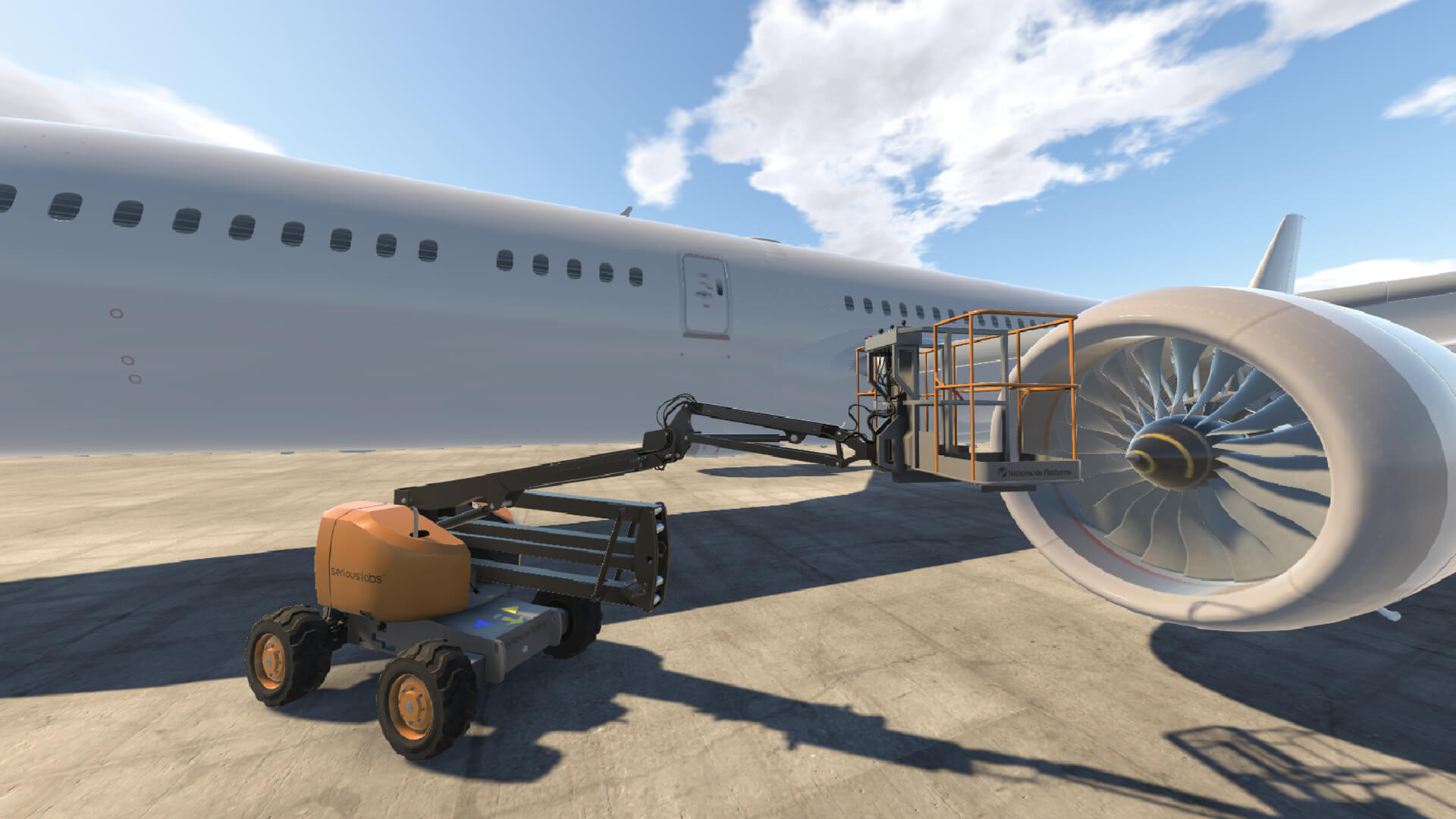
Train for the Risks Operators Actually Face
Operating equipment in real environments requires more than mechanical skill. Operators must navigate tight clearances, moving hazards, changing environmental conditions, and time-pressured decisions.
Traditional training methods often struggle to safely replicate these challenges.
Simulation changes that.
High-fidelity VR simulation allows operators to experience complex operational scenarios in a controlled environment where mistakes become learning opportunities rather than costly incidents.
Why Leading Industries Use Simulation
Industries with the highest safety standards have relied on simulation training for decades.
Pilots train in flight simulators.
Surgeons train using simulated procedures.
Military operators train in mission simulators.
Why? These industries recognize that realistic practice in controlled environments builds competence faster and more safely than learning exclusively in live operations.
SIMS brings this proven training approach to industrial equipment operations.
The Limits of Traditional Equipment Training
Traditional equipment training often depends on real machines, live environments, and limited instructor observation.
This approach has several challenges:
Limited Exposure to High-Risk Scenarios
Certain situations — such as operating near aircraft, navigating confined areas, or managing sudden hazards — cannot easily be recreated safely during training.
Weather and Operational Constraints
Training schedules often depend on equipment availability, site access, and environmental conditions.
Subjective Evaluation
Traditional instruction relies heavily on observation and instructor judgment rather than objective performance data.
Risk to People and Equipment
Learning on real equipment introduces the possibility of accidents, equipment damage, or operational disruption.
What Simulation Enables
High-fidelity simulation training creates learning environments that are difficult or impossible to achieve in live training.
Operators can experience:
• confined operating areas
• dynamic obstacles and hazards
• real-world site conditions
• complex maneuvering scenarios
• pressure-based decision making
Because the environment is simulated, these scenarios can be repeated as often as needed without risk.
This allows operators to build confidence, spatial awareness, and operational judgment before working on real equipment.
Precision Through Realism
Effective simulation depends on realism.
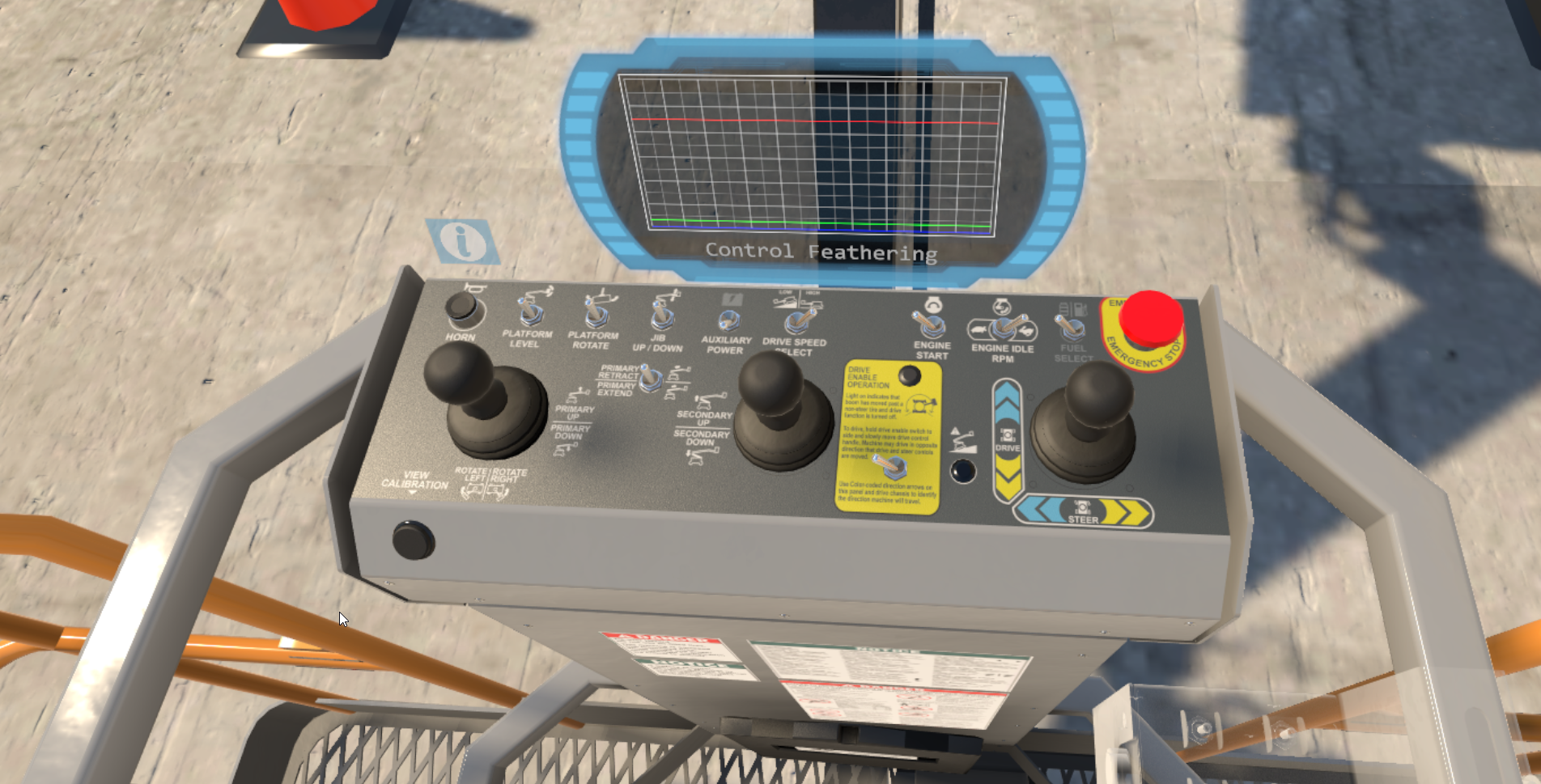
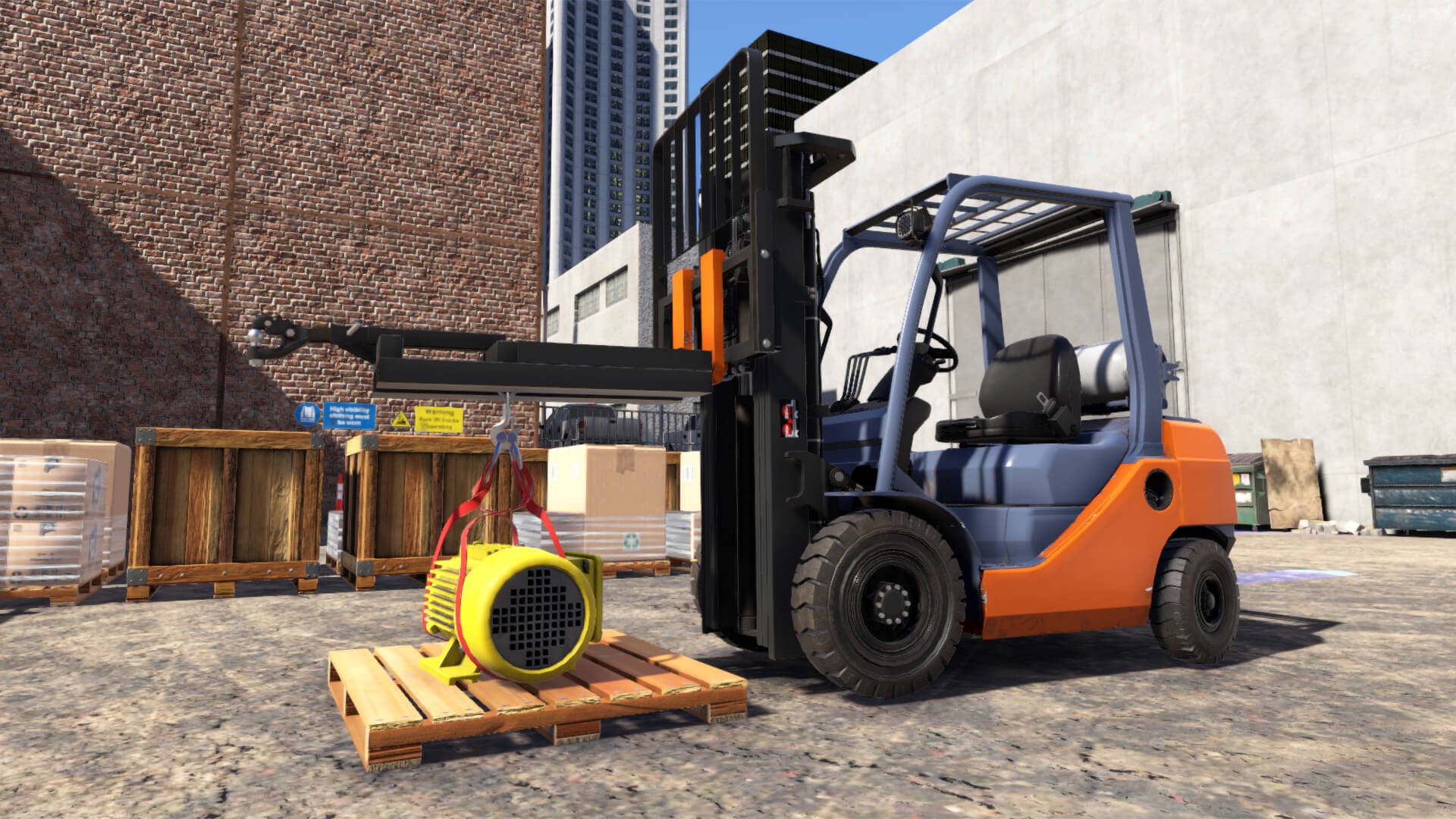
SIMS systems are designed to replicate the motion, control response, and spatial environments operators experience in real operations.
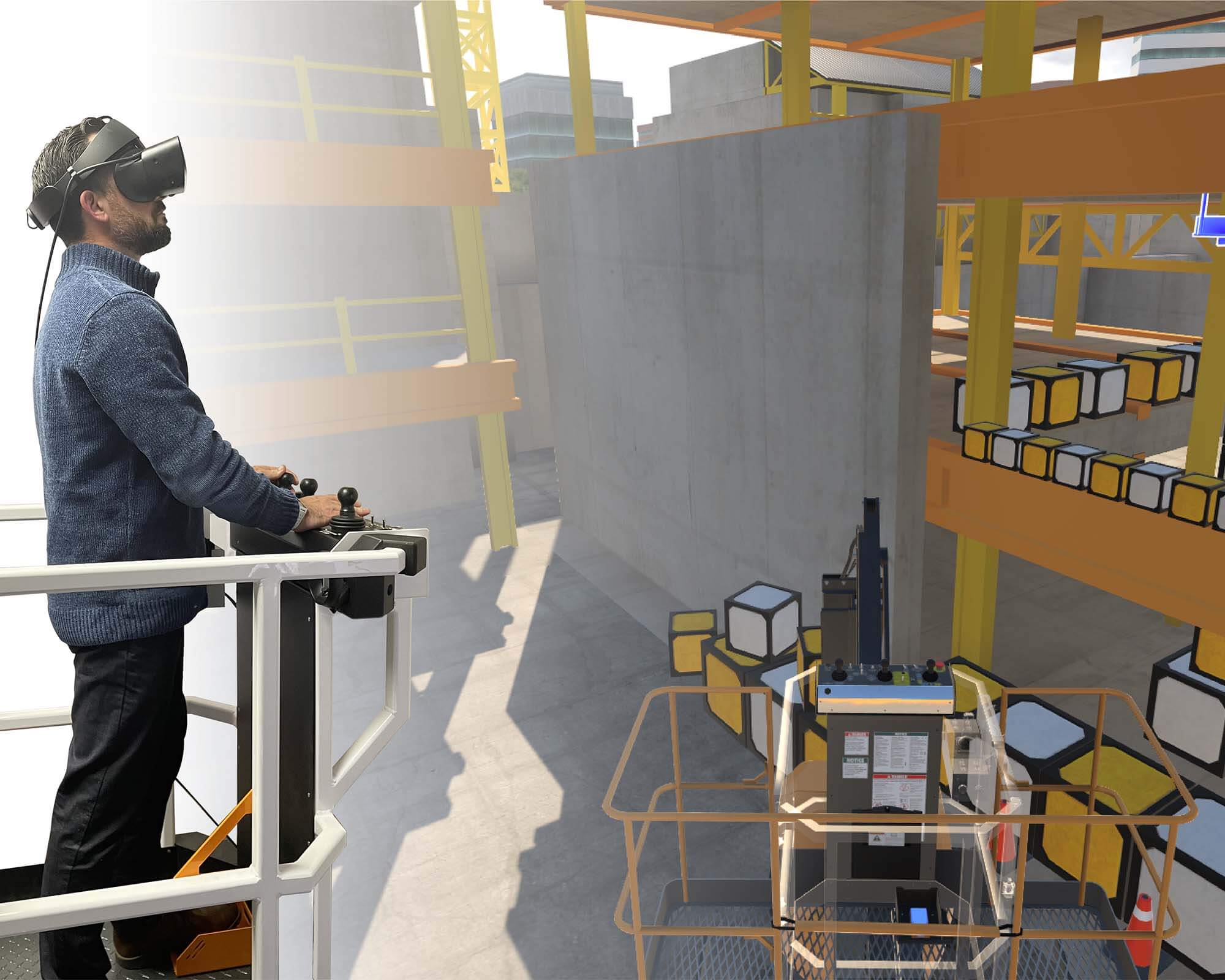
Motion-based platforms, real equipment controls, and detailed virtual environments combine to create a training experience that closely mirrors real-world operation.
This level of realism helps operators develop:
• accurate depth perception
• controlled approach behavior
• precise machine positioning
• safe maneuvering habits
When training reflects real conditions, the skills developed in simulation transfer more ebectively to real operations.
Data-Driven Operator Insight
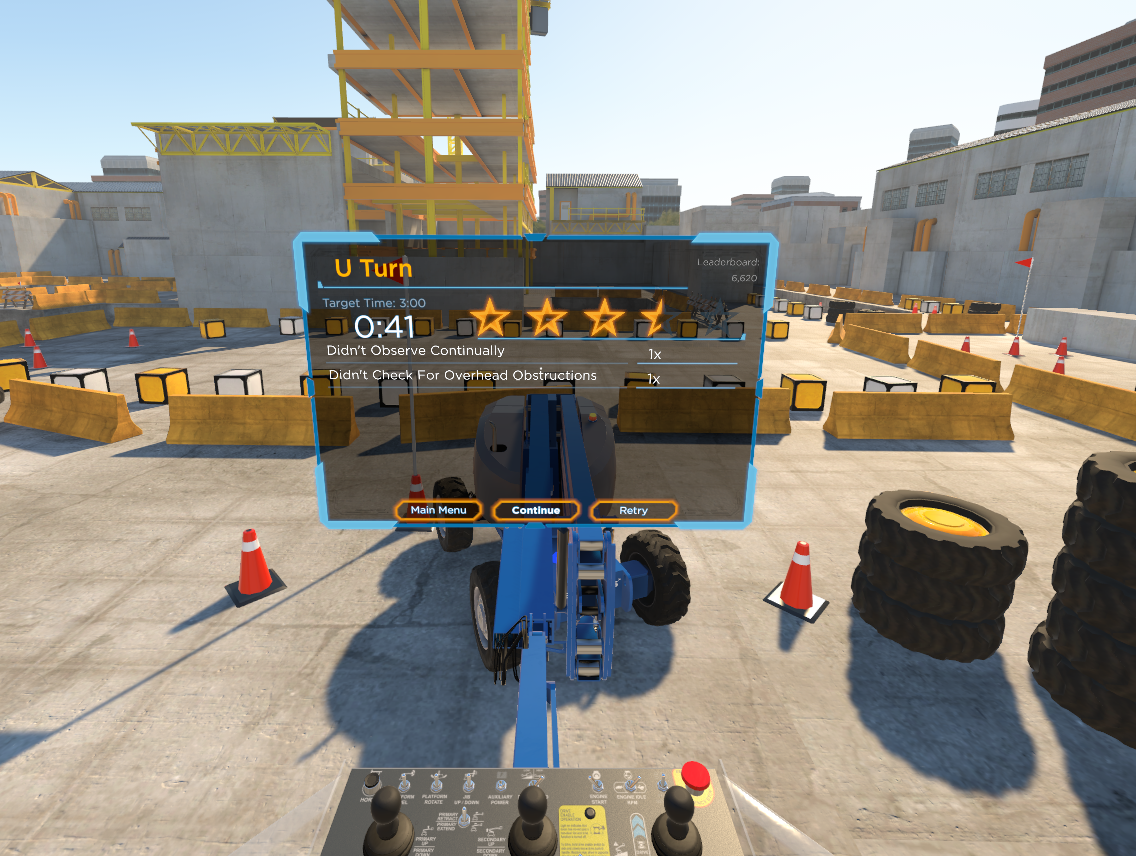
Simulation provides something traditional training cannot: objective performance measurement.
SIMS simulators capture operational performance data such as:
• spatial awareness behavior
• proximity risk patterns
• approach path consistency
• response to workload and environmental pressures
This information allows safety and training leaders to understand how operators perform— not just whether a task was completed.
The result is deeper insight into operator capability and earlier identification of potential risks.
Safer Training for High-Risk Tasks
Many industrial operations involve tasks where mistakes can lead to:
• equipment damage
• aircraft contact
• facility incidents
• operational delays
• worker injury
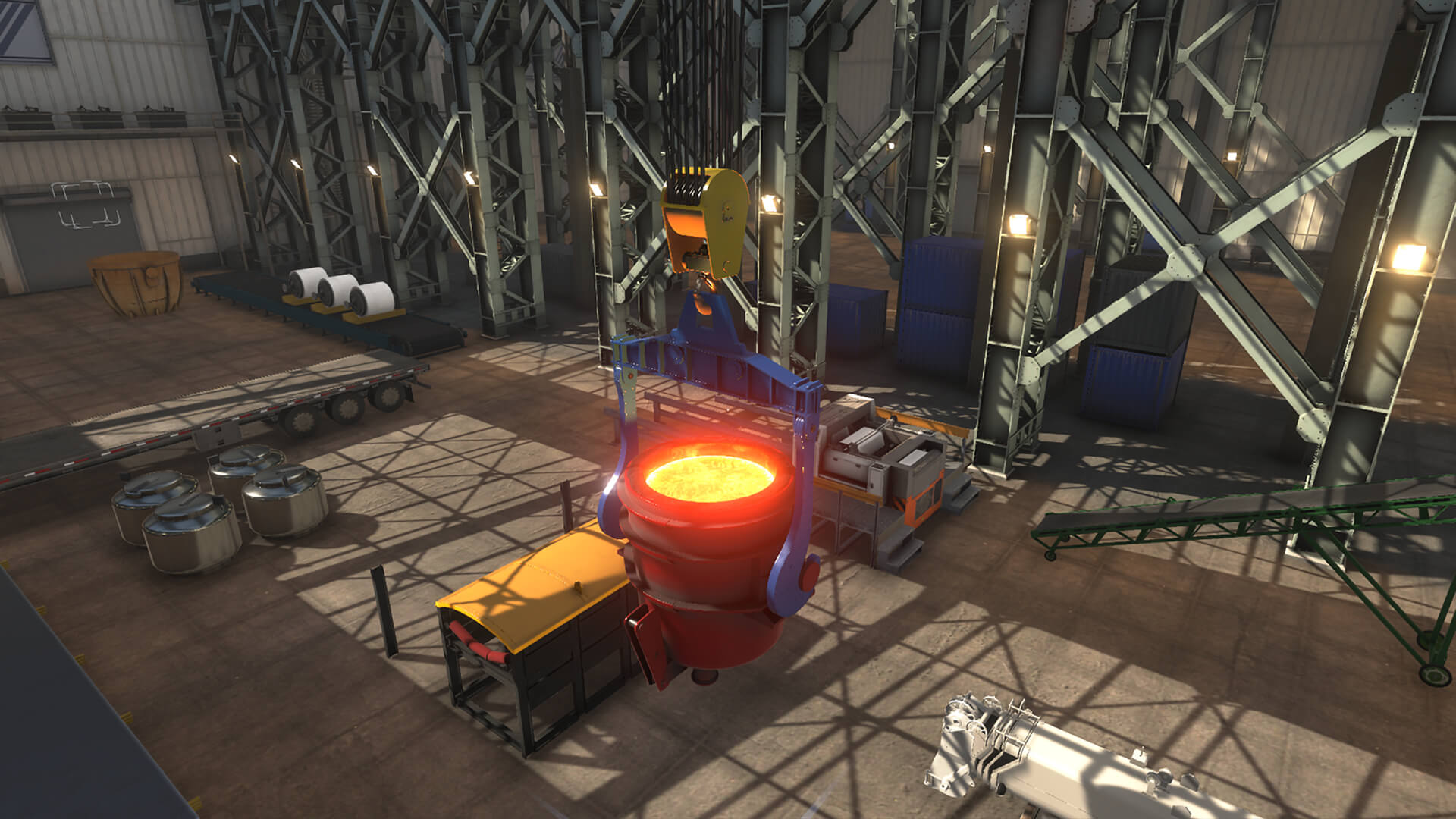
Simulation allows operators to practice these high-risk tasks in a controlled environment where errors carry no real-world consequences.
Operators gain experience and develop judgment before performing these tasks in live operations.
Consistent Training Across Organizations
Simulation also helps organizations standardize training programs.
Instead of relying solely on local instruction or varying site conditions, simulation allows organizations to deliver repeatable training scenarios and consistent performance evaluation.
This supports:
• standardized operator competence
• consistent safety expectations
• improved training ebiciency
• scalable workforce development.
Building Safer, More Reliable Operations
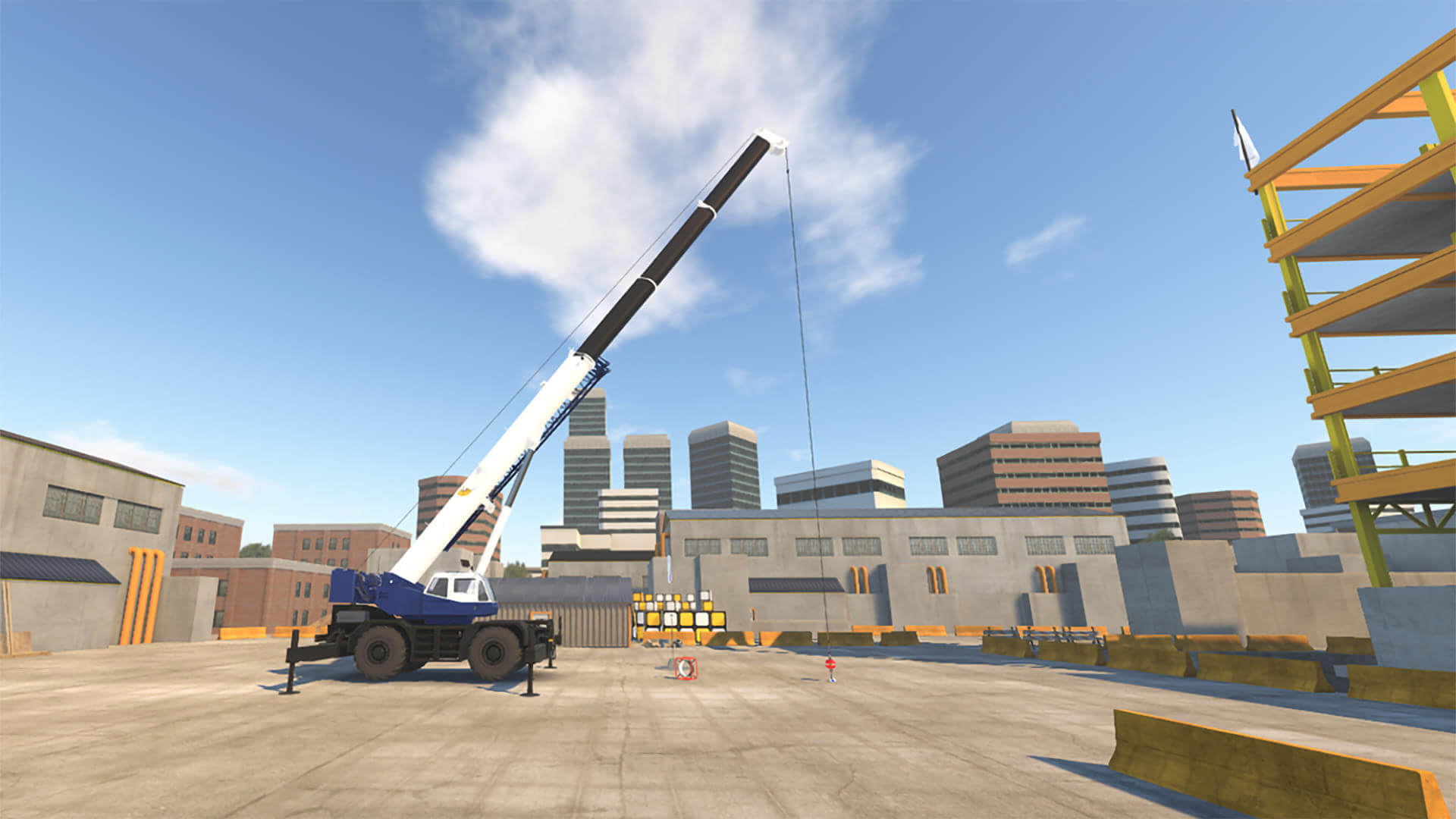
Simulation is not simply about technology. It is about improving operational outcomes.
Organizations that integrate simulation into their training programs often see improvements in:
• operator competence
• workforce confidence
• incident prevention
• operational consistency
• safety culture.
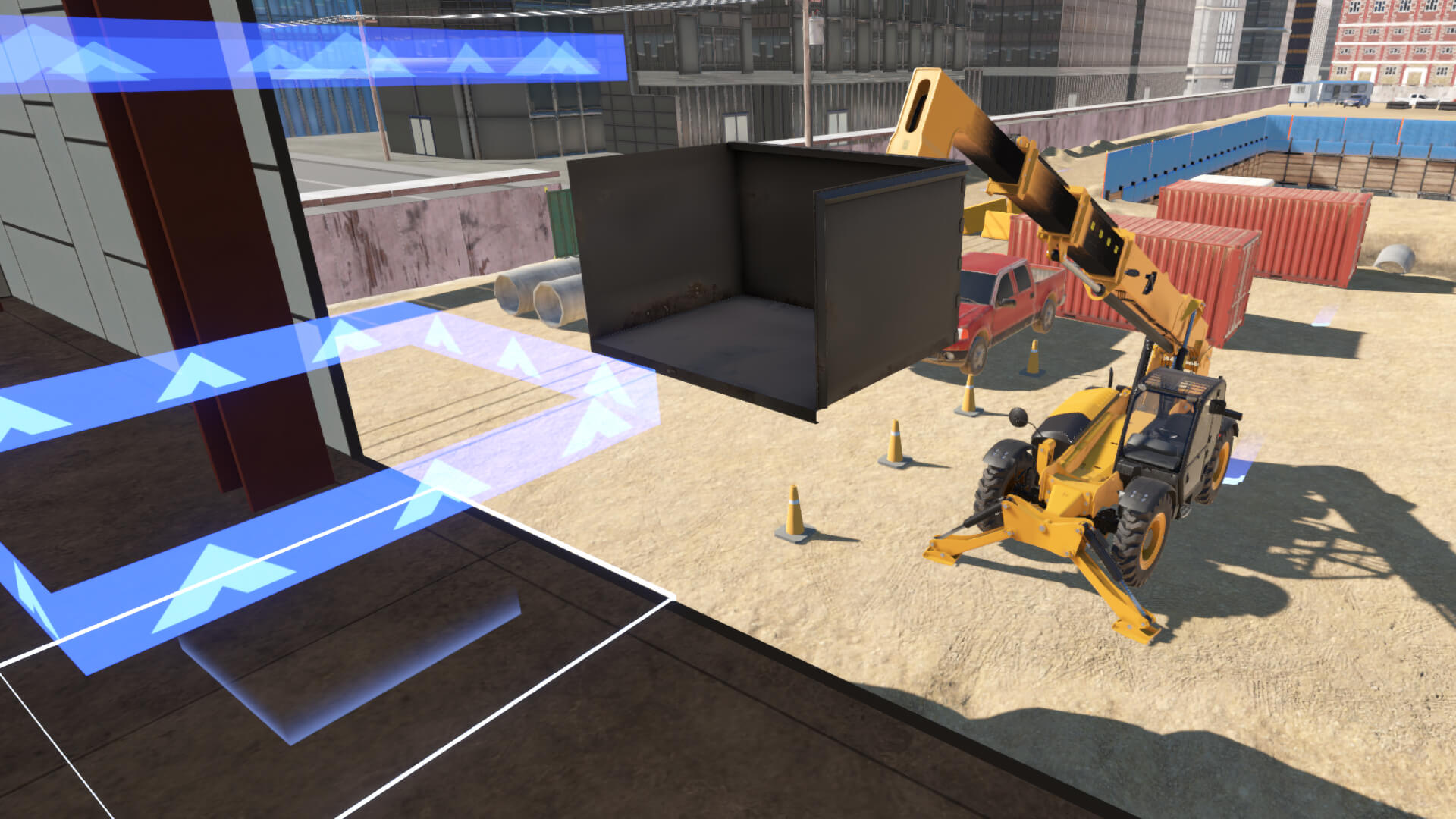
By developing skills and judgment in controlled environments, organizations can reducerisk while building stronger operational performance.